Your Run: What is a Recovery Run?

Not every run needs to ask more from your body. A recovery run is a smart way to keep moving, support consistency and respect what your body needs. The focus is recovery first, training second. It should give more than it takes.
What is a recovery run?
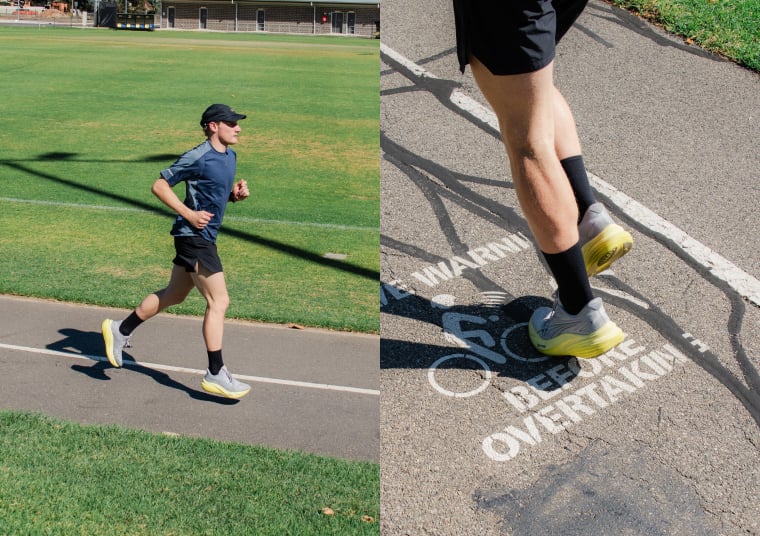
A recovery run is an easy, relaxed, low-intensity run. It is usually short, gentle and unforced, with the focus on movement rather than performance. That means you are not chasing pace. You are simply running at an effort that feels comfortable and controlled.
A good recovery run should feel conversational. If you are running with someone else, you should be able to chat without feeling breathless. If you are running alone, it should feel easy enough that you could keep going, even though you choose not to.
For newer runners, this might look like a gentle jog, a run-walk, or a short easy loop close to home. For more experienced runners, it might be a relaxed run the day after a long run, hard session or race. The pace will look different for every runner, but the purpose is the same: keep the effort easy enough that the run supports recovery rather than adding more stress.
When should you do a recovery run?
Recovery runs usually fit best after a harder session, long run, race or heavier training period. For example, you might use a recovery run:
- The day after a long run
- After hills, intervals or a faster training session
- After a race or fun run
- During a week where your running volume has increased
- When your legs feel tired but you still want gentle movement
This becomes especially useful as your running gets more consistent. When running becomes part of your week, the way each run connects starts to matter.
A hard run asks something of your body. A recovery run gives you a chance to move without asking for much more. It can help you settle back into rhythm and create space for your body to recover after training. That is the mindset shift: recovery is not separate from training. It is part of training.
How should a recovery run feel?
The simplest test is this: could you comfortably hold a conversation?
If the answer is yes, you are probably in the right zone. If you are checking your watch every few seconds, forcing the pace or feeling like you are grinding through the run, it is probably too hard for a recovery day.
A recovery run should feel light, gentle and conversational. The effort should feel controlled and unforced. If that changes mid-run, it is okay to cut it short. Ideally, you finish feeling fresher than when you started, or at least like you have moved without draining yourself further. The main thing is restraint. The goal is not to prove fitness. The goal is to respect the training you have already done.
Is a recovery run different from an easy run?
This is where runners can get confused. A recovery run and an easy run can feel similar, but they are not always the same.
An easy run is a general low-intensity run that can help build routine, aerobic fitness and time on feet. A recovery run is more specific. It is usually placed around harder training and deliberately kept very easy. Its purpose is not to create a big new training stimulus. Its purpose is to help you keep moving while backing off intensity.
Think of it this way: an easy run can be part of the build. A recovery run helps you absorb the build. Both are valuable, but a recovery run should never accidentally become another training session.
“Isn’t it just a slow run?”
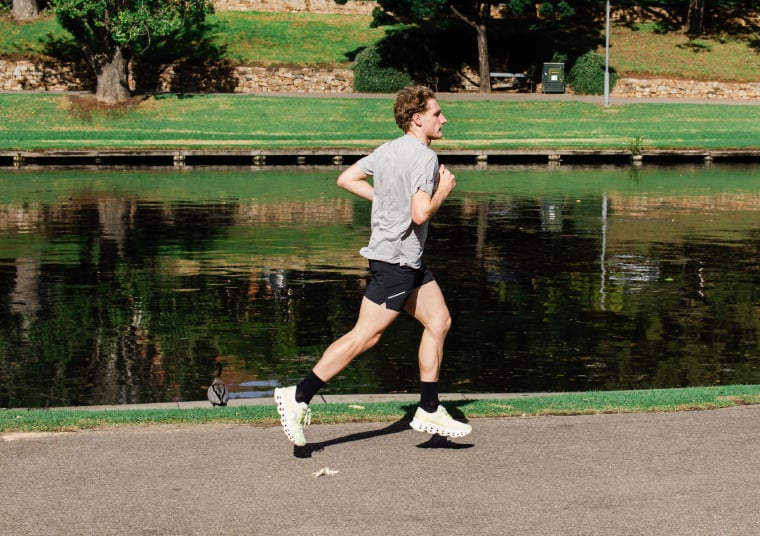
This is a common question, especially for runners who measure progress by pace, distance or bigger numbers.
A recovery run is useful because it has boundaries. You are choosing to slow down for a reason. That can be hard at first. Many runners feel like every run needs to improve something obvious: faster pace, longer distance, bigger numbers. But smart running is not just about adding more. It is also about knowing when to hold back. Not every run should feel like a workout.
When walking or rest might be the better choice
A recovery run is not always the answer. Sometimes the smarter option is walking, an easy bike ride, swimming, mobility work or full rest.
If you feel unusually fatigued, run down, sore in a way that changes your movement, or simply not ready to run, it is okay to choose something gentler. Recovery is personal. Some days, a short gentle run may leave you feeling better. Other days, the best support for your running is to not run at all. The key is listening to your body. A recovery run should feel like it is helping you return to balance. If it feels like you are forcing it, choose the easier option.
What to wear for a recovery run
Because recovery runs are easy, comfort matters. Your shoes should feel supportive, cushioned and relaxed rather than fast or aggressive.
A good recovery shoe should help you settle into an easier rhythm. It needs to feel good when your legs are tired, when you are moving slowly, and when the purpose is recovery rather than pace.
For many runners, this means reaching for a softer max-cushion shoe that feels protective without making you want to pick up the pace.
A great choice currently is the Puma MagMax 2 because it has a broad and stable platform, soft midsole and plenty of protective cushioning. Other strong options include the Saucony Triumph 23 and Asics Gel-Nimbus 28, which also work well for easy recovery days. 
The takeaway: Every run has a role
A recovery run is not doing less. It is doing what the day needs.
It is an easy, purposeful run that helps you reset after harder work, keep moving gently and support the consistency that makes running feel sustainable.
The next time your legs feel heavy after a bigger effort, you do not always need to push harder. You might need to run easier. Or walk. Or rest. That choice is not a step backwards. It is part of learning how to run smarter.
Every run has a role. Recovery runs remind us that progress is not only built in the hard sessions. Sometimes, it is built when you slow down enough to let the work settle in.
About the Author
Ed - Runner & Content Specialist
Ed is a distance runner and Performance Content Specialist at RunDNA. He has a passion for running, road and gravel cycling, quality gear, and the stories shaped through effort and adventure. Ed's current focus is long-distance road running and triathlon, driven by a love of performance and the challenge of pushing both body and mind further. Favourite distance: the marathon. Where patience, pace and persistence come together.