5 Reasons You Should Use Technical Running Socks
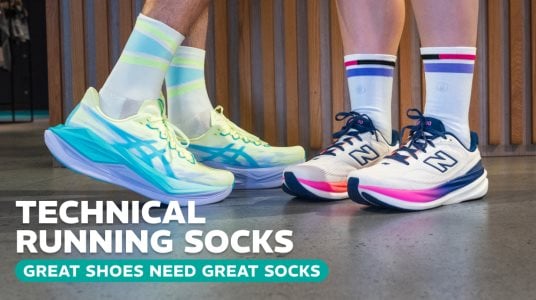
Comfort starts with the layer closest to your skin, yet runners often underestimate how much the right running socks can change the feel of their shoes. It's not just about finding the best running sock, but the right running sock for your foot, shoes and preferred running feel.
We believe technical running socks are one of the most underrated upgrades a runner can make. They are not just an add-on, and they are not only for experienced runners or race day. A good running sock helps complete the fit of your shoe, manages moisture, reduces friction, adds comfort where your foot needs it, and helps make every run feel more settled.
If you are investing in quality running shoes, the sock underneath should be doing its part too.
Here are five reasons technical running socks are worth the extra thought.
1. Moisture-Wicking
Cotton socks might feel soft when you first put them on, but they are not ideal once you start running. As your feet heat up and sweat, cotton tends to absorb and hold moisture, leaving the sock feeling damp, heavy and warm inside the shoe.
Once that moisture builds, comfort can change quickly. A sock that felt fine at the start of the run can become sticky or irritating as the kilometres go on, especially around common friction points like the toes, heel and ball of the foot.
This is why sock issues often show up on longer runs, warmer days, treadmill sessions or when breaking in new shoes. The shoe might fit well, but if the sock is holding moisture against the skin, the whole experience can feel less comfortable.
Technical running socks are designed to help manage sweat more effectively. They use performance fibres, ventilation zones and technical construction to help move moisture away from the foot, so your feet can feel drier, fresher and more comfortable for longer.
This is one of the simplest reasons to upgrade from everyday socks. It is not about making your running more complicated. It is about removing one of the most common causes of discomfort before it starts to affect your run. If your feet often feel sweaty, hot or irritated after a run, your socks may be playing a bigger role than you realise.
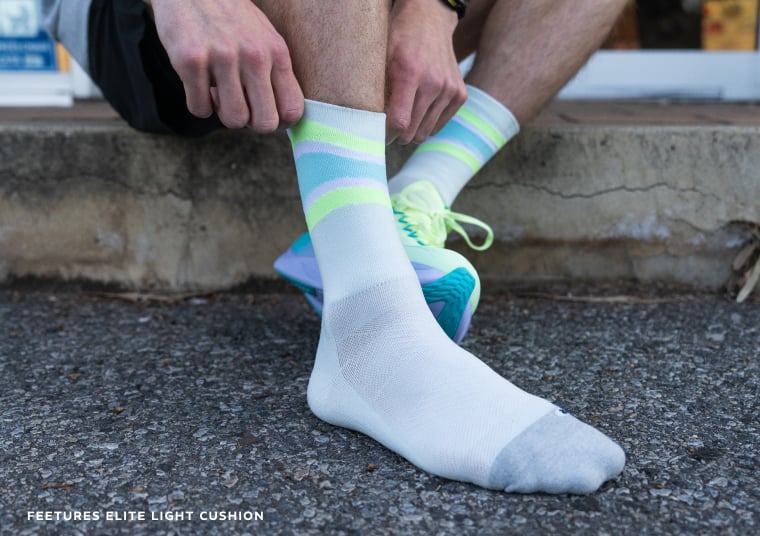
If we take a closer look at the Feetures Elite range, including the Feetures Elite Light Cushion No Show Tab and Light Cushion Mini Crew, the sweat-wicking iWick fibres are a key point of difference. Paired with a lightweight, fitted feel, they help move sweat away from the skin and support a more comfortable environment underfoot.
2. Anatomically Designed
A proper running sock should not twist, bunch or slide around inside your shoe. That might sound obvious, but it is one of the biggest differences between a basic sock and a technical running sock.
Many running socks are shaped to follow the foot more closely. Some use left and right-specific construction, arch support, targeted compression, deeper heel pockets or more secure midfoot shaping. The result is a sock that feels like it belongs inside a running shoe, rather than a sock that is simply along for the ride.
That secure fit matters because movement around the foot creates distraction. A sock that slips under the heel, bunches under the arch or folds around the toes can turn a good shoe fit into an uncomfortable run.
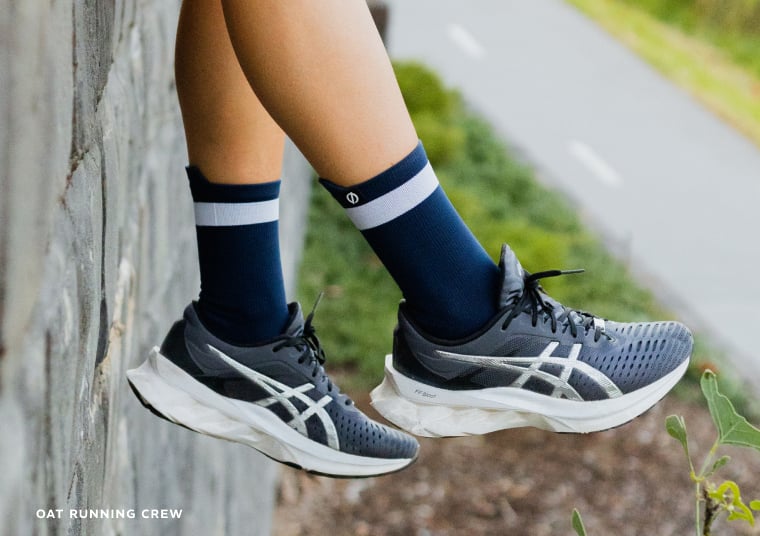
Feetures, Lightfeet, CEP and Oat Running are strong examples of brands using left and right-specific construction to create a more anatomical fit. This helps the sock follow the natural shape of each foot more closely, which can improve comfort, reduce excess movement and help the sock sit properly inside the shoe.
Injinji approaches fit differently again. Rather than a traditional left/right sock shape, its five-toe design separates each toe, helping the sock move more naturally with the foot and reducing skin-on-skin contact between the toes.
2XU also sits naturally in this conversation for runners who prefer a more compressive, structured feel. 2XU running socks offer a secure, second-skin fit designed to help the foot feel supported inside the shoe. With left and right-specific shaping across a variety of heights and styles, they can suit runners who want a locked-in feel through the arch and midfoot, especially during higher-impact sessions.
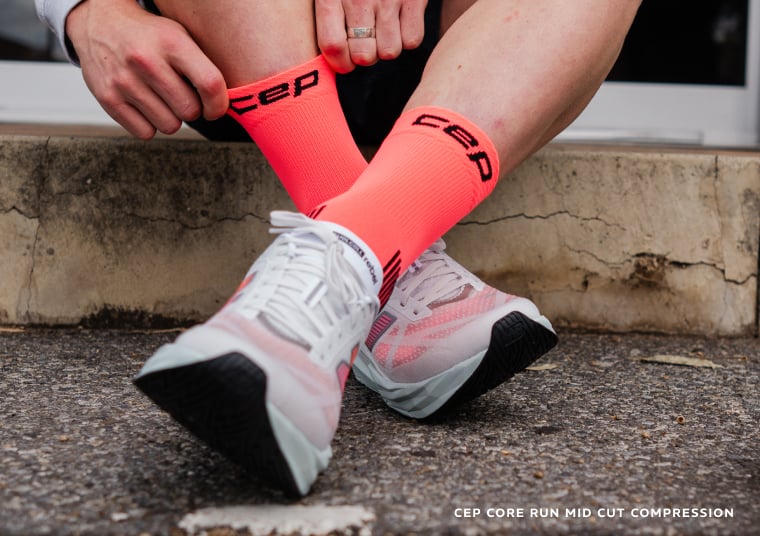
CEP Compression Running Socks sit firmly in the compression-led space, suiting runners who like structure around the foot and ankle. With lightweight fabric, an asymmetrical toe box, zonal compression and left and right-specific shaping, they are built to feel supportive without feeling bulky.
The best socks should work with your shoe, not against it. If your shoes feel great when you try them on but less secure once you run, your socks may be part of the reason.
3. Blister and Hot Spot Control
Blisters are often blamed on shoes, but they are not always a shoe problem. They are usually caused by a combination of moisture, friction, heat, pressure and movement. That is why your socks can play such an important role in how comfortable your feet feel across a run.
A good technical running sock helps reduce some of the conditions that lead to rubbing. Moisture-wicking materials help keep the foot feeling drier. A closer, more secure fit helps limit unwanted movement inside the shoe. Seamless or smoother construction can reduce irritation around pressure points. Cushioning can add protection around high-friction areas like the heel, toes, arch and ball of the foot.
Different brands approach this in different ways.
Steigen keeps the sock incredibly thin, helping minimise the space between your foot and shoe. That close, second-skin feel can help limit unwanted shifting, while its lightweight construction is designed to reduce friction, heat and sweat build-up during a run. It is a strong option for runners who want blister protection without extra bulk.
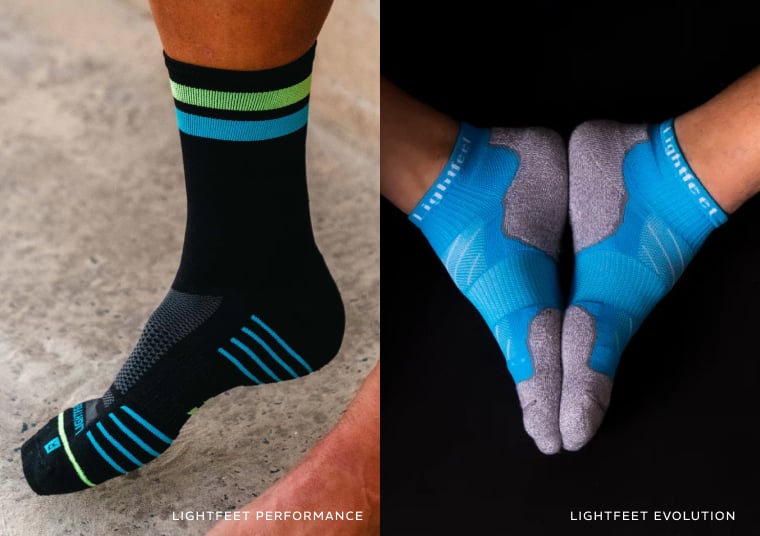
Lightfeet takes a more cushioned and protective approach. Its Evolution styles use seamless technology to help reduce friction and pressure points, airflow zones to improve ventilation, moisture management to help control heat and sweat, and arch support to help the sock stay in place. For runners who want more padding through key areas, Lightfeet offers a more comfort-led way to reduce irritation.
Balega also sits strongly in the comfort and blister-resistance conversation. Styles such as Hidden Comfort use cushioning, ventilation panels and a deeper heel pocket to support a softer, more locked-in fit, while Balega Blister Resist is built for runners who want extra protection against rubbing and irritation.
Injinji solves the problem differently again. Instead of letting toes rub directly against each other, its five-toe design wraps each toe individually, helping reduce skin-on-skin friction between the toes. That can be especially useful for runners who regularly experience toe rubbing, forefoot irritation or hot spots between the toes.
The point is not that every runner needs a sock built specifically around blister protection. If your feet are heating up, slipping, bunching, rubbing or blistering, the right technical sock can help address the issue before it ruins the run.
4. Different Thickness
Sock thickness can change the fit and feel of your running shoes more than many runners expect.
A thinner sock can make a shoe feel more spacious, direct and close to the foot. A thicker sock can add softness, comfort and a little more volume inside the shoe. Neither is automatically better. It depends on the shoe, your foot shape and what you want from the run.
If your shoes already fit snugly, a thicker sock may make them feel too tight. If your shoes have a little extra room, a cushioned sock may help create a more secure feel. If you are racing or doing faster sessions, you might prefer a lighter sock. If you are heading out for an easy long run, a more cushioned option may feel better.
Thin Running Socks
Thin running socks are a great option for runners who prefer a light, ventilated and close-to-foot feel. They can suit faster sessions, warmer conditions, lower-volume shoes or runners who simply do not want extra cushioning between their foot and the shoe.
Steigen running socks are the clearest example here. Steigen is one of the thinnest-feeling options, making it a strong choice for runners who like a barely-there fit. The Zero Length, Quarter Length, Half Length and Three Quarter Length options also make it easy to choose the height that suits your shoe, style and run type.
A thin sock can also be helpful when your running shoe already provides enough cushioning or already fits snugly. In that case, adding a thicker sock may not improve the feel. It may simply make the shoe tighter.
Cushioned running socks
Cushioned running socks are a better option for runners who want more softness, more protection or a little extra volume inside the shoe.
The Australian-made Lightfeet Evolution range is a strong example of this style. Sitting at the slightly thicker and more cushioned end of the range, Lightfeet can suit runners who want added comfort around areas like the heel, forefoot and toe box. It is a good option when you want the sock to feel more protective underfoot.
Feetures sits through the middle, with different cushioning options that allow runners to choose between a lighter feel and more underfoot comfort. Balega also fits naturally into this space for runners who prefer a soft, comfort-first feel, while Oat Running adds another run-ready option for those who want everyday comfort with a more modern style angle.
This is where sock thickness becomes a fitting tool, not just a preference. The right thickness can help make a shoe feel more balanced, more secure and more comfortable for the run ahead.
5. Different Styles for Different Runs
Sock height is often treated like a style choice, but it is also about comfort and protection.
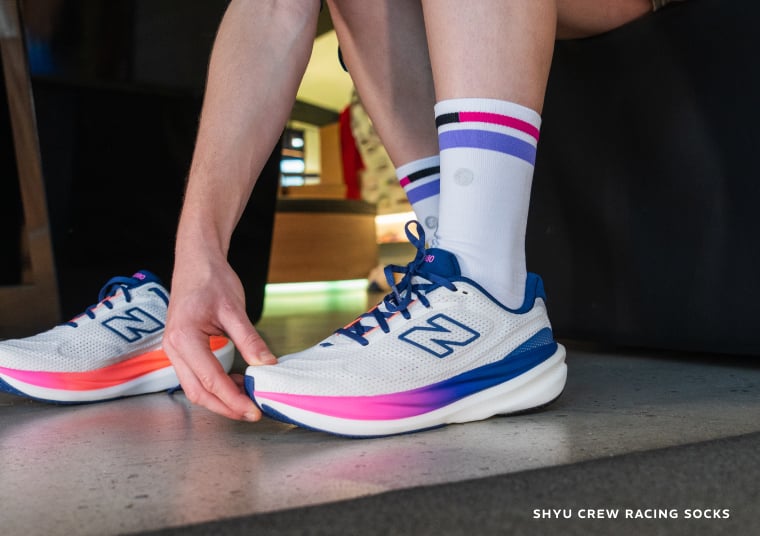
Sock height, coverage and construction can all change how protected, secure or minimal your setup feels. A no-show sock might be perfect for warm road runs or gym sessions, while a crew, trail or race-ready style may suit runners wanting more coverage, protection or a sharper performance feel. SHYU fits naturally here, with Crew Racing Socks and Quarter Crew Racing Socks designed for runners who want their socks to feel as intentional as their performance shoes.
No-show and low running socks
For warm road runs, gym sessions or runners who prefer a minimal feel, no-show and low-cut running socks can be a great choice. They give you enough coverage to protect the heel and reduce rubbing, without adding extra fabric around the ankle.
Many no-show styles include a small rear tab to help the sock stay in place and prevent the heel collar of the shoe from rubbing directly against the skin. That small detail can make a big difference if you have ever had a low sock slip down mid-run.
This is also where personal preference comes in. Some runners like the clean, minimal look of a no-show sock, while others prefer the extra coverage of a quarter, mini crew or crew height. The right choice is the one that feels secure, stays put and suits the way you run.
Quarter and crew running socks
Quarter and crew socks give you more coverage than low-cut styles and can feel more secure for runners who do not like the feeling of shorter socks slipping inside the shoe.
For road running, the difference is mostly about preference. Some runners like the minimal feel of a low sock, while others prefer the extra coverage of a quarter or crew height, especially in cooler conditions or with shoes that sit higher around the heel collar or Achilles area.
Quarter and crew socks can also be useful off-road. When paired with the right trail running shoes, the higher cut helps create a better barrier around the ankle, reducing the chance of dirt, grass, dust or small debris getting into the shoe.
Trail vs Road running socks
Road running socks are usually built around a smooth, lightweight and secure feel. The surface is more predictable, so moisture management, comfort and reduced rubbing are usually the priorities.
Trail running socks place more emphasis on coverage and protection. Uneven terrain, dirt, dust, gravel and scrub mean a mini crew or crew height can help create a better barrier around the ankle, while extra cushioning can feel useful when your feet are working harder inside the shoe.
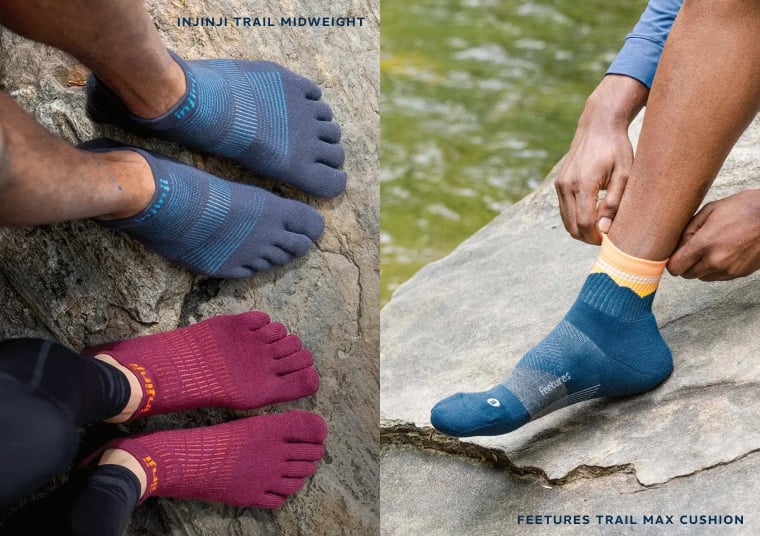
Feetures Trail Max Cushion are good examples of more protective trail socks, with thicker cushion and padding, while Injinji Trail styles pair toe separation with trail-ready coverage to help reduce toe rubbing and keep more debris out.
Bonus Tip: Toe Socks
Toe socks are not for every runner, but they can be a smart option for runners who experience rubbing between the toes or irritation through the forefoot.
Instead of wrapping the front of the foot as one section, Injinji socks separate each toe. This helps reduce skin-on-skin friction between the toes while allowing them to move and splay more naturally inside the shoe.
They can feel different at first, but if toe rubbing, hot spots or forefoot discomfort are regular issues, toe socks are one of the most practical changes to consider.
So, which running sock should you choose?
Choosing the right running sock comes down to how you want your shoes to feel, where you need more comfort, and what distractions you want to remove from your run.
If you want a thin, barely-there feel, Steigen is a strong place to start. If you want a technical fit with different cushioning options, look at Feetures. If you prefer something slightly thicker and more cushioned, Lightfeet is a good option. If you want plush everyday comfort, Balega fits that space well.
If you want a secure, training-ready feel, 2XU is worth considering. If you like compression-style support, CEP is a natural choice. If you experience rubbing between the toes, Injinji gives you a practical toe sock option. If you want a run-ready sock with a modern, style-led feel, Oat Running is the option to consider. If you want a lightweight, race-ready sock designed to complement modern performance shoes, SHYU is a strong option.
The easiest way to choose is to start with the problem you are trying to solve. Are your feet getting hot? Are your socks bunching? Are you getting blisters? Do your toes rub? Do your shoes feel too tight, or slightly too roomy?
Once you know what you want the sock to do, the choice becomes much easier.
Wrap Up
Technical running socks are a small change, but they can make a noticeable difference to how your shoes feel.
They help manage moisture, reduce friction, improve fit, add cushioning and protect the areas of the foot that often cause problems on the run. They can also help you get more value from the running shoes you have already invested in.
So, before your next run or your next shoe order, take a look at the socks you are wearing. If they are cotton, worn out, slipping, bunching or leaving your feet uncomfortable, it might be time to upgrade the layer closest to your skin.
It is a small improvement, but the right sock can make your whole running setup feel more comfortable, more secure and more considered.
About the Author
Ed – Runner & Content Specialist
I’m a distance runner and Performance Content Specialist at RunDNA, with a passion for running, road and gravel cycling, quality gear, and stories shaped by effort and adventure. My current focus is long-distance road running and triathlon, driven by a love of performance and the challenge of pushing body and mind further.